Where Data Becomes Light, Light Becomes Language
A site-specific media art installation translating real-time ocean health data into luminous, evolving patterns at the coastal edge
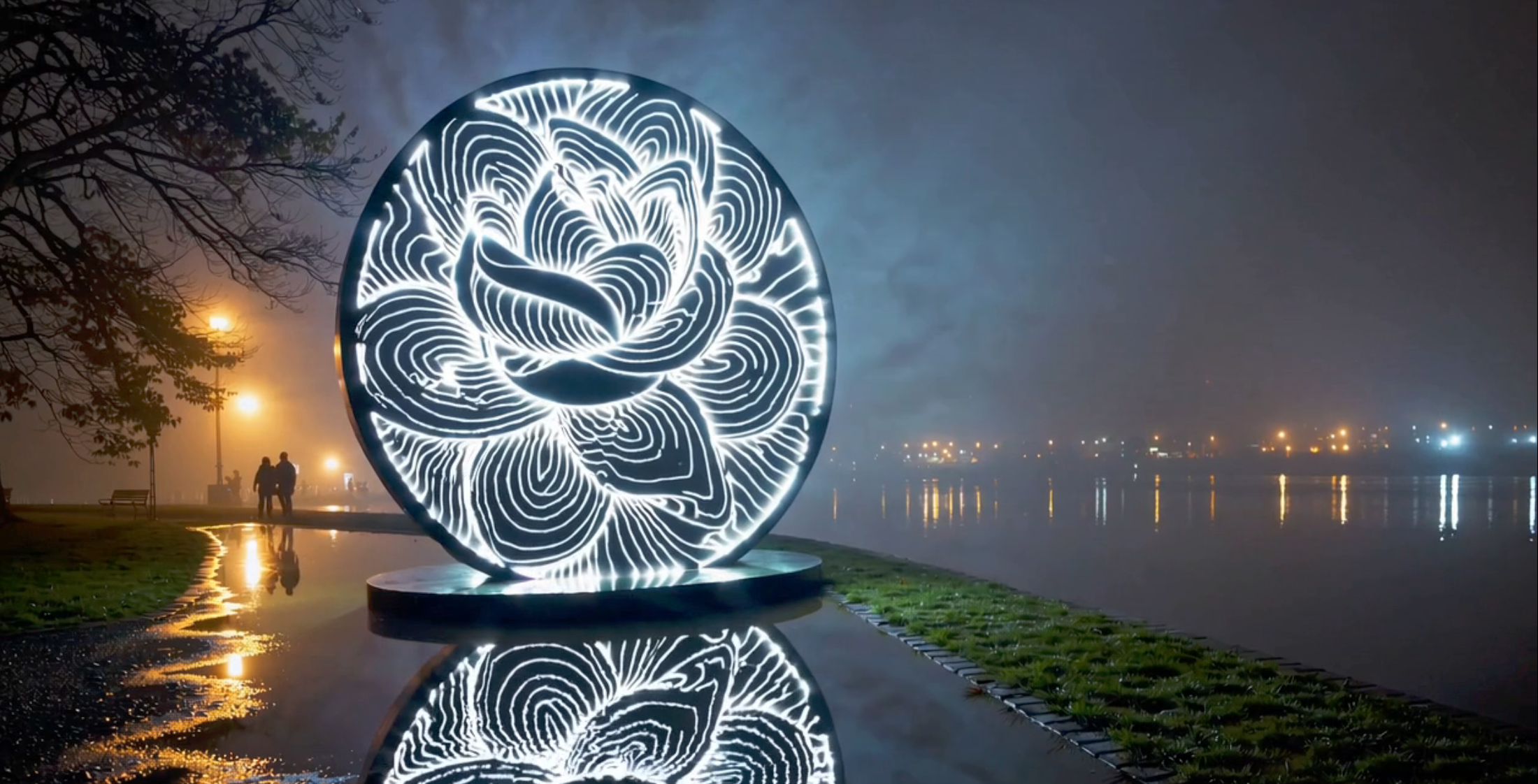
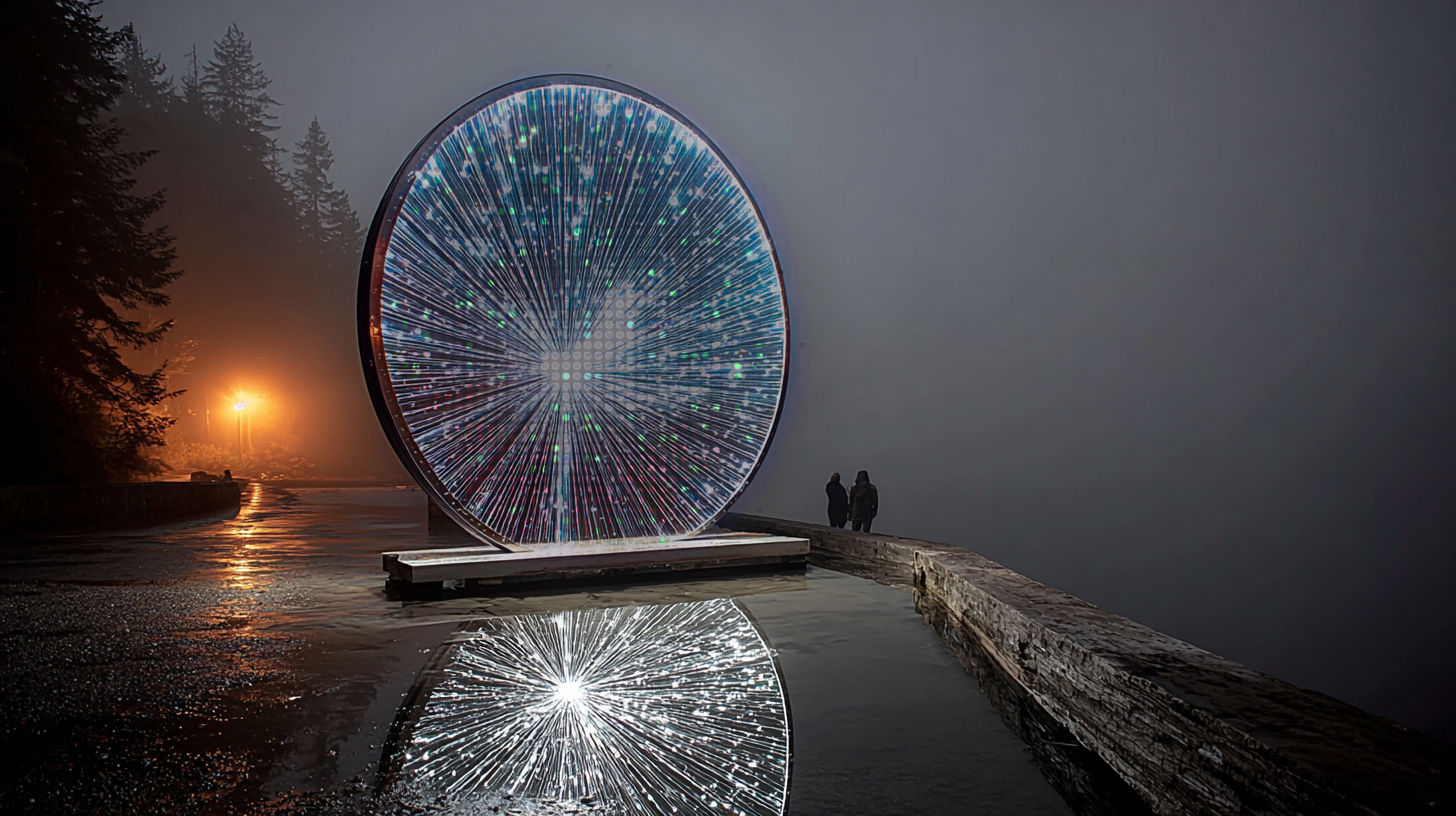
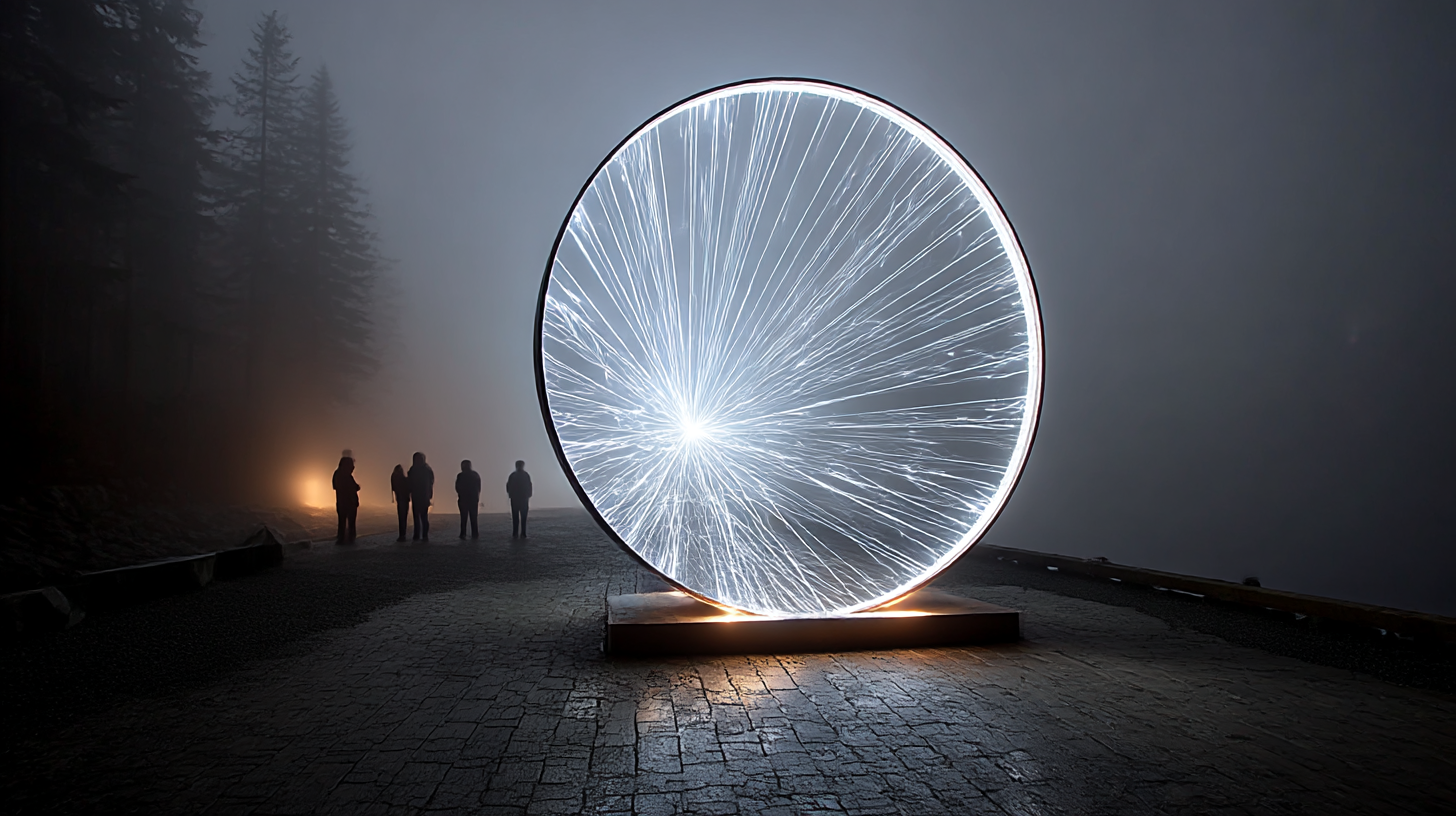
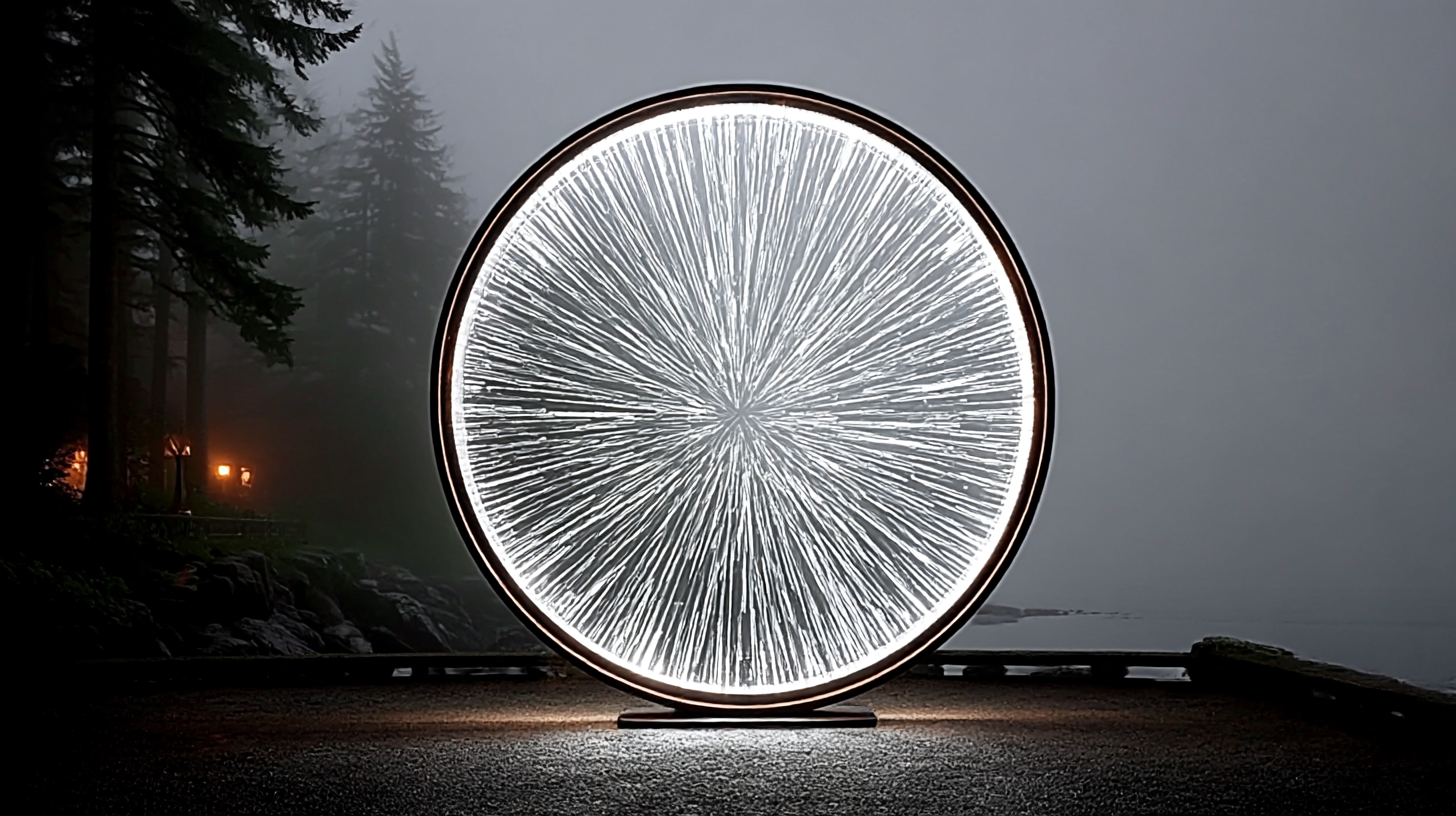
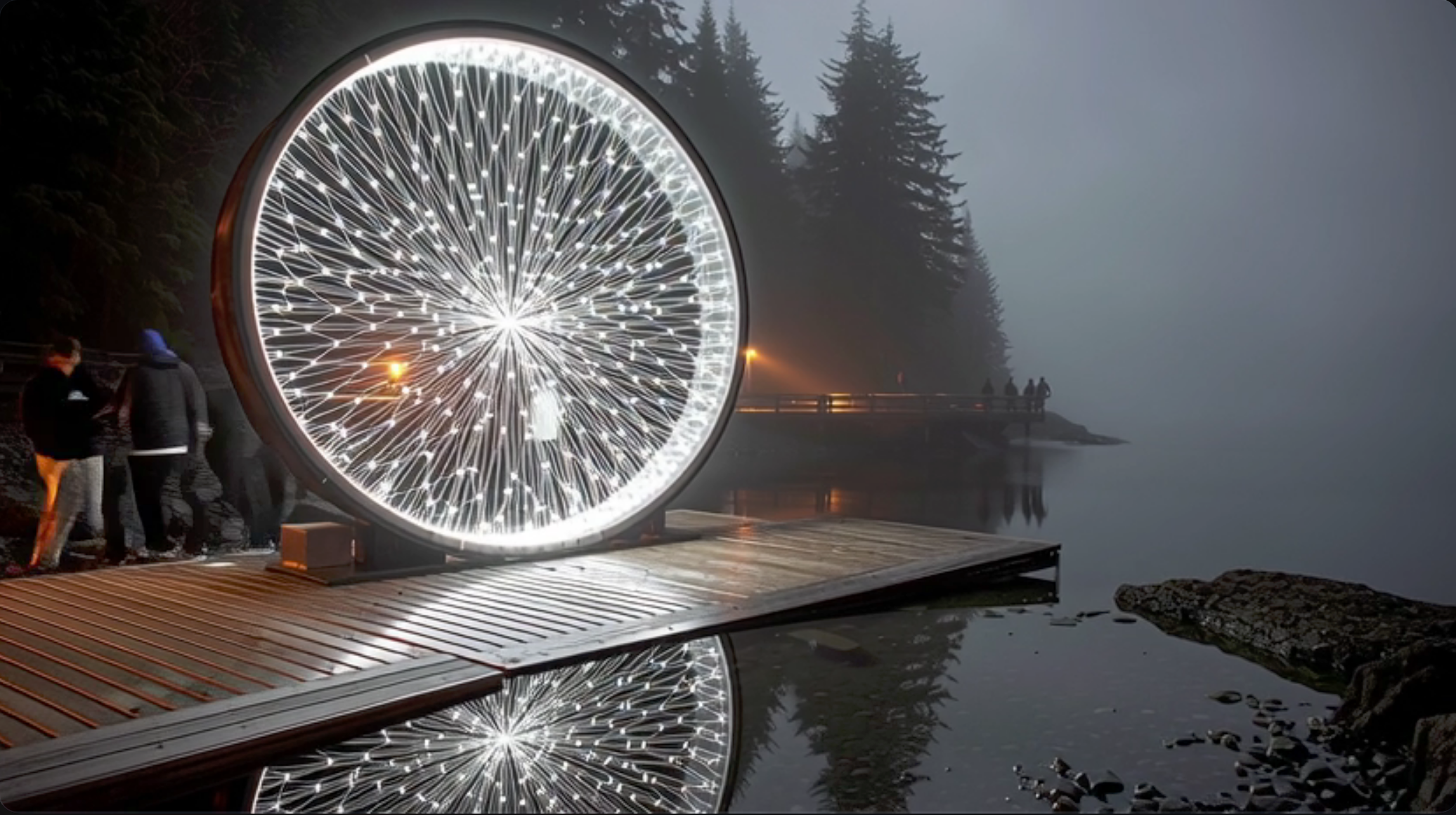
Ocean Scribe is a responsive environmental media artwork that reads the invisible—water chemistry, wave dynamics, tidal rhythms—and translates it into waves of light. Active only at dawn and dusk, it functions as a coastal organism awakening, expressing the metabolic condition of the Salish Sea through a quiet, meditative spectacle.
This is not decoration. It is ecological translation—a poetics of feedback loops, a luminous witness to marine stress and resilience. In an era of climate crisis, Ocean Scribe offers a new form of public interface: scientific, aesthetic, and deeply place-based.
Expressed through intensity and pulse rate—the breath of the sea made visible through rhythmic modulation
Color gradients shift from blue to amber as acidification levels fluctuate, visualizing marine chemistry
Cooler hues for cold currents, warming tones as thermal stress rises—a thermal portrait of the sea
Pattern density mirrors water clarity—flowing when clear, dense when murky
Rhythmic waves sync with local tides—rising intensity at flood, receding at ebb, breathing with the moon
Real-time wave height and period create pulsing patterns that mirror sea state and storm dynamics
Data streams from Ocean Networks Canada and CIOOS Pacific are parsed in real-time using Python and TouchDesigner, stored locally for resilience during network outages, and expressed through programmable LED arrays configured in organic, stream-like patterns behind a marine-grade polycarbonate diffusion surface.
Materials research for marine environments, data source API integration, development of visual translation algorithms, prototype testing
Marine-grade aluminum frame construction, weatherproof LED array assembly, polycarbonate diffusion surface integration
TouchDesigner visual systems, Python data parsing engines, real-time translation protocols, autonomous operation programming
On-site installation, coastal durability testing, power system optimization, twilight activation calibration
Public unveiling, community engagement events, educational programming, documentation film production
The Salish Sea is undergoing rapid acidification, hypoxia events, and temperature fluctuations—yet these changes remain invisible to most coastal residents. Southern Vancouver Island is experiencing unprecedented growth, with almost no integrated environmental media art or digitally-mediated civic reflection on ecological conditions.
While eco-digital public art has become infrastructure in European cities, it remains nearly absent in Canadian coastal communities. Ocean Scribe addresses this gap, creating a luminous commons—ephemeral, site-responsive, and rooted in real-time ecological awareness.
Ocean Scribe —where technology, ecology, and poetics converge to create public interfaces for climate awareness.
Connect With This Project